

 Deutsch
 Korean
Glass or Plastic? Choosing the Right Material for Building Control HMIs

Balancing Design, Durability, and System Integration
In building automation, HMIs have evolved from simple control elements into visible interfaces between user, technology, and brand.
For manufacturers of control systems, room controllers, switches, touch panels, and system components, this means:
???? The choice of surface material is no longer a minor detail – it’s a strategic product decision.
Especially in high-end building environments – such as lighting, climate, shading, access, or conference systems – HMIs must meet multiple requirements at once:
- Premium appearance
- Intuitive usability
- Long-term visual quality
- Seamless system integration
- Reliable performance over many years
At the same time, expectations for smart building functionality are increasing. With initiatives like the updated EPBD and the Smart Readiness Indicator, the importance of intelligent building systems continues to grow.
Glass or Plastic – Why This Question Matters More Than Ever
Glass is often associated with premium design, while plastic is linked to cost efficiency and design flexibility. However, this view is too simplistic.
In reality, the material choice directly impacts:
- Perceived product quality
- Daily usability
- Cleaning and aging behavior
- Mechanical and конструкtional design
- System lifetime
- Total cost of ownership
In building automation – where products are used, touched, cleaned, and evaluated over many years – this decision becomes critical.
Additionally, increasing system connectivity (e.g. via BACnet) means:
???? The HMI is not just a surface – it’s part of a larger integrated system.
Strengths of Glass HMIs in Building Automation
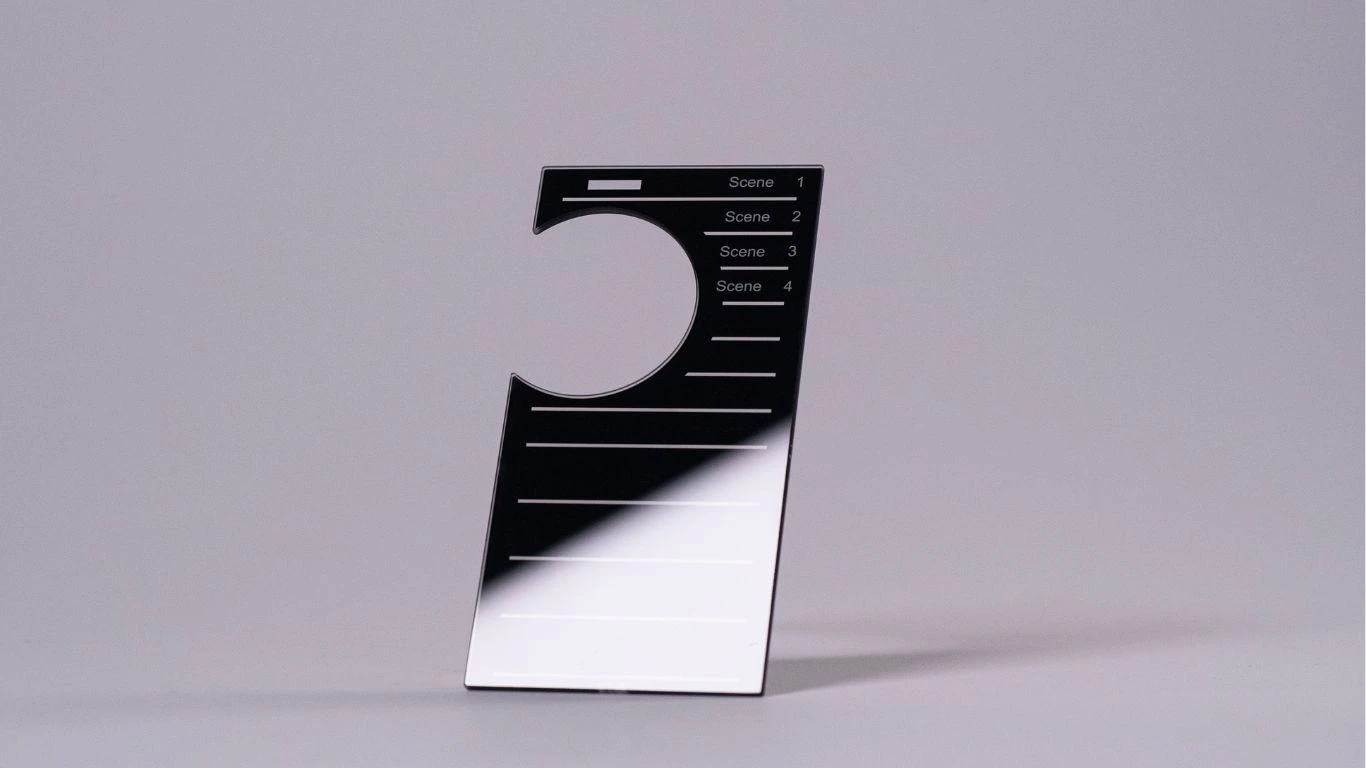
1. High mechanical and chemical resistance
Tempered glass (e.g. ESG or chemically strengthened glass) offers excellent scratch resistance.
Compared to many plastics:
- Surfaces remain visually stable over time
- Resistant to oils, cleaning agents, and chemicals
???? Ideal for high-traffic or regularly cleaned environments.
2. Long-term optical quality
Glass provides:
- High transparency and clarity
- No yellowing or surface aging
- Stable appearance over time
Additional features:
- Anti-reflective coatings
- Backside design printing (protected from wear)
???? Perfect for consistent branding and premium product perception.
3. Hygienic advantages
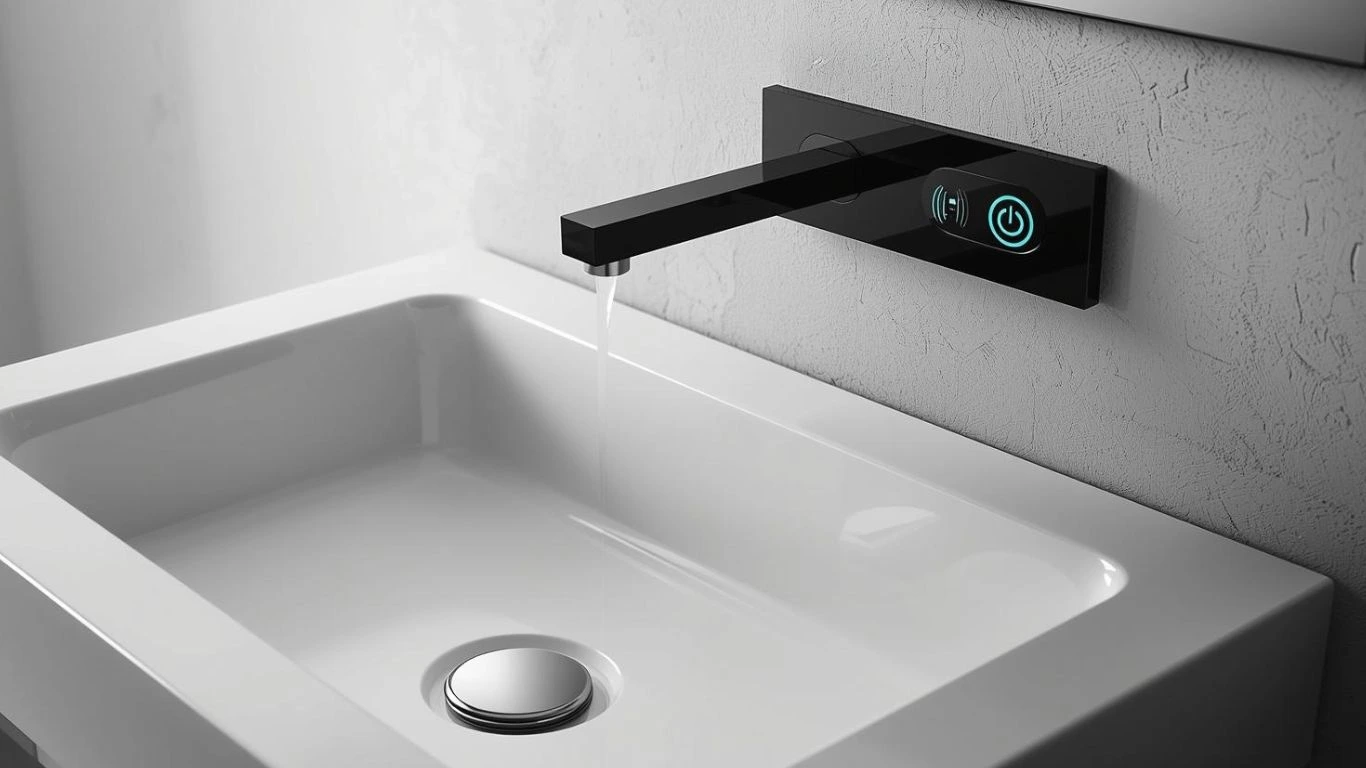
Glass surfaces are:
- Non-porous
- Easy to clean and disinfect
- Resistant to repeated cleaning cycles
???? Relevant not only for medical or food environments, but also for shared building interfaces.
4. Premium haptics and user experience
The real test of an HMI happens in daily use.
Glass offers:
- Smooth, precise tactile feedback
- Consistent interaction with capacitive touch systems
???? Especially important in design-driven and brand-sensitive applications.
5. Strong design and integration capabilities
Glass enables:
- Thin, rigid constructions
- Edge-to-edge designs
- High-quality decorative finishes
Design elements like colors and prints can be applied directly behind the glass.
???? This allows seamless integration into modern architectural concepts.
6. Lifecycle, value stability, and sustainability
Glass HMIs offer:
- Long service life
- Low wear and aging
- Good recyclability
While initial costs are often higher,
???? lifecycle costs can be lower due to durability and stability.
Glass vs. Plastic: The Key Decision Factors for Manufacturers
A quick comparison highlights the differences:
- Scratch resistance: Glass very high, plastic low to medium
- Chemical resistance: Glass very high, plastic limited
- UV resistance: Glass very high, plastic limited
- Hygiene suitability: Glass very high, plastic medium
- Initial costs: Glass higher, plastic lower
- Lifecycle costs: Glass often lower, plastic often higher
Conclusion: The Best Solution Is Application-Specific
Glass HMIs stand out in building automation through:
- Premium design
- Durability
- User experience
- Hygiene
- Long-term visual quality
At the same time, factors such as:
- Impact resistance
- Mechanical design
- Budget
- Compliance requirements
must be carefully evaluated.
Plastic remains a valid choice where:
- Cost efficiency
- Impact resistance
- Complex geometries
are the priority.
???? The key is not a fixed material preference, but a well-founded, application-specific decision.
EVYTRA Approach: Systemic and Material-Neutral
EVYTRA supports customers with:
- Application-driven consulting
- Material-neutral evaluation
- Integration-focused design
From glass surfaces to fully integrated HMI systems, EVYTRA develops tailored OEM solutions for demanding building automation applications.
Developing Control Systems for Building Applications?
EVYTRA supports manufacturers and OEMs in designing customized HMI systems –
from material selection to fully integrated interface solutions.
???? Get in touch to find the optimal solution for your application.