

 Deutsch
 Korean
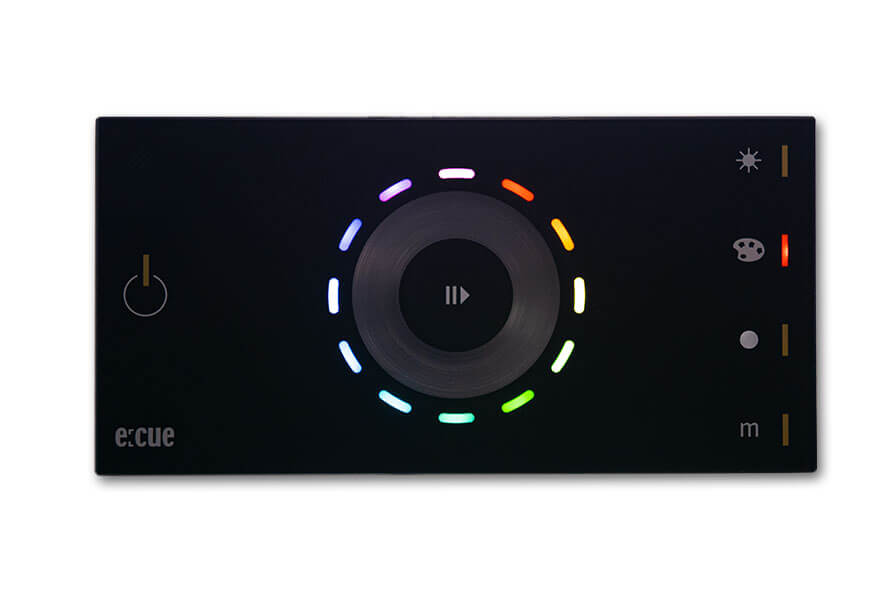

What is an HMI in building automation?
An HMI is a Human Machine Interface, meaning the interface between people and technical systems. In building automation, an HMI enables intuitive operation and control of functions such as lighting, climate, blinds, or access systems.
Where are HMI systems used in building automation?
In building automation, HMI systems are used for monitoring systems, lighting control, blind and fan control, HVAC and heating systems, elevator controls, conference systems, as well as access control and time tracking.
What are the benefits of HMI systems for building automation?
HMI systems provide simple and intuitive control of technical building functions. They help manage processes clearly and can be adapted to specific requirements in terms of design, functionality, and user guidance.
Can HMI solutions for building automation be customized?
Yes, HMI solutions for building automation can be tailored to project-specific requirements. EVYTRA offers a wide range of design and customization options to match the needs of each project.
Are HMI systems also suitable for HVAC and heating systems?
Yes, HMI systems are also used in building automation for HVAC and heating systems. They enable user-friendly control and clear operating logic for central building functions.