

 Deutsch
 Korean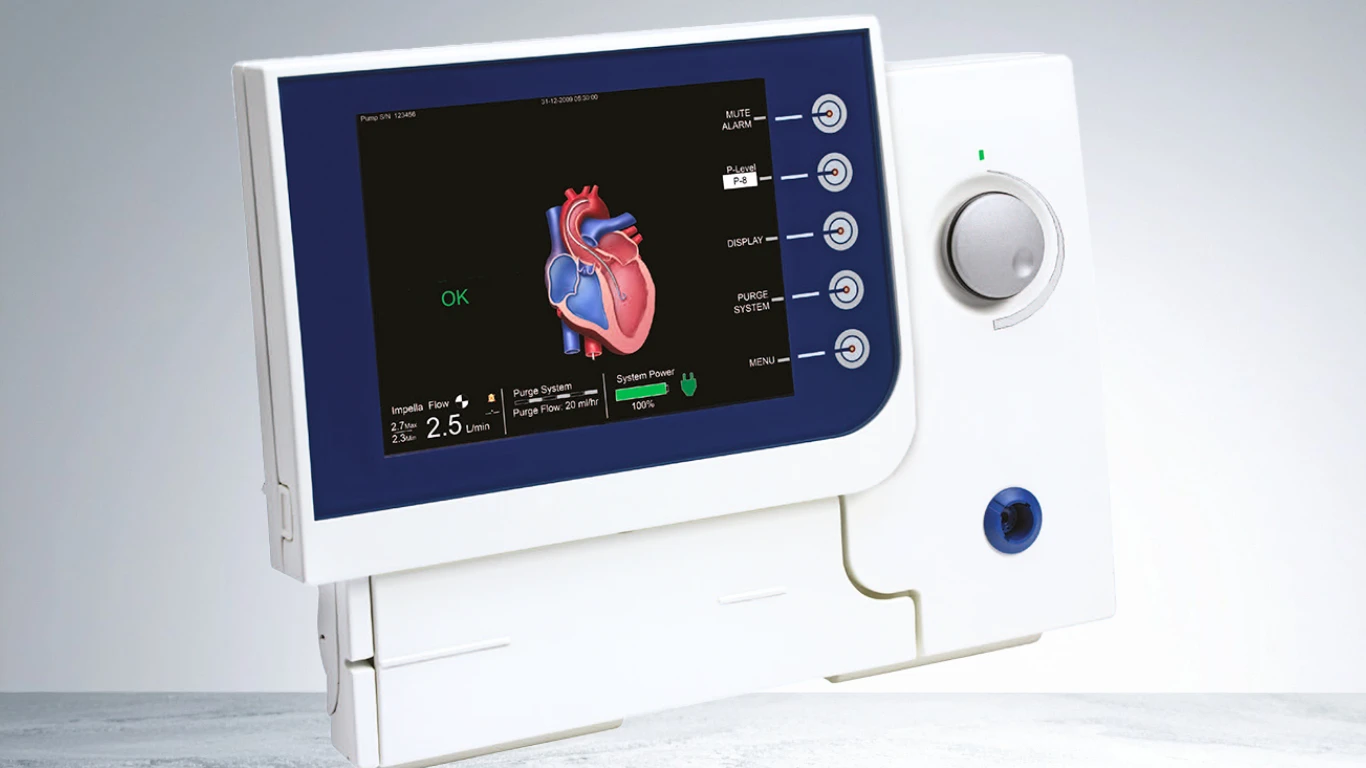

What is an HMI in medical technology?
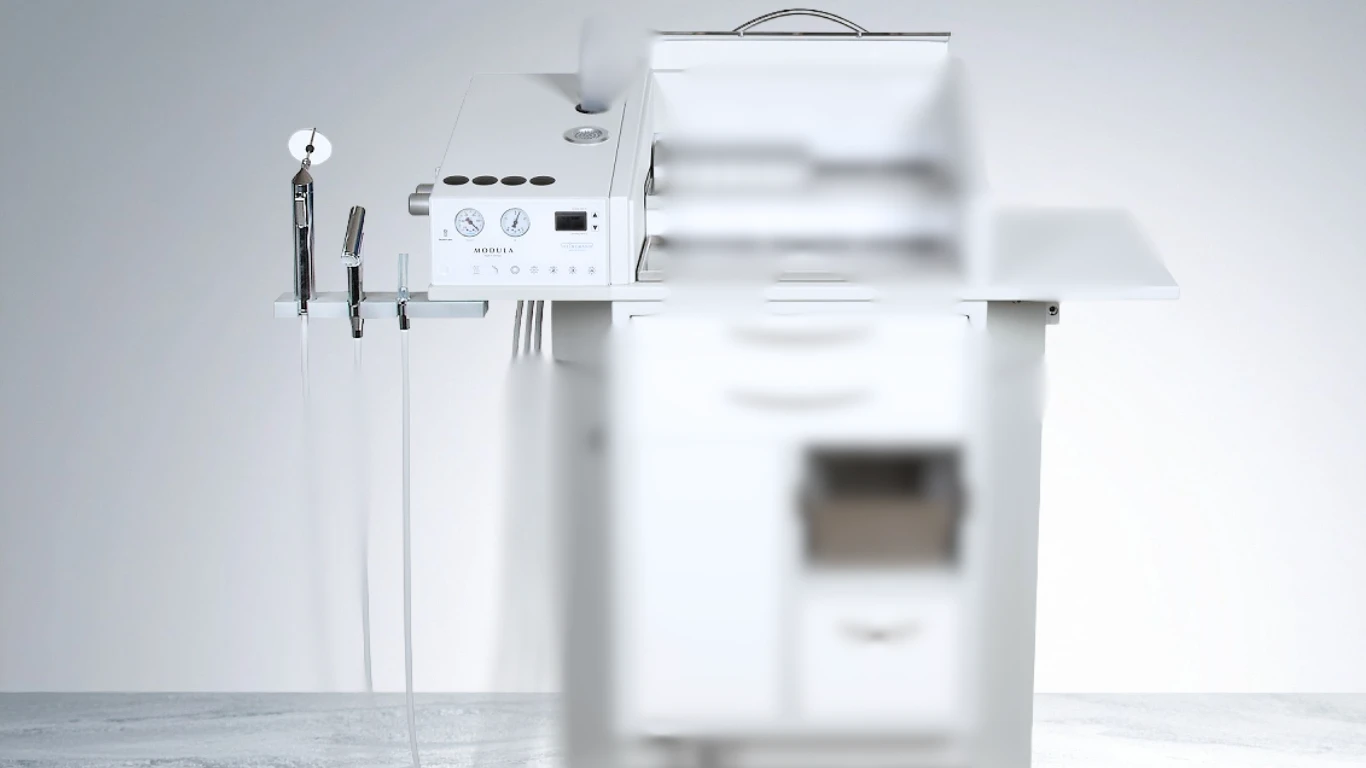
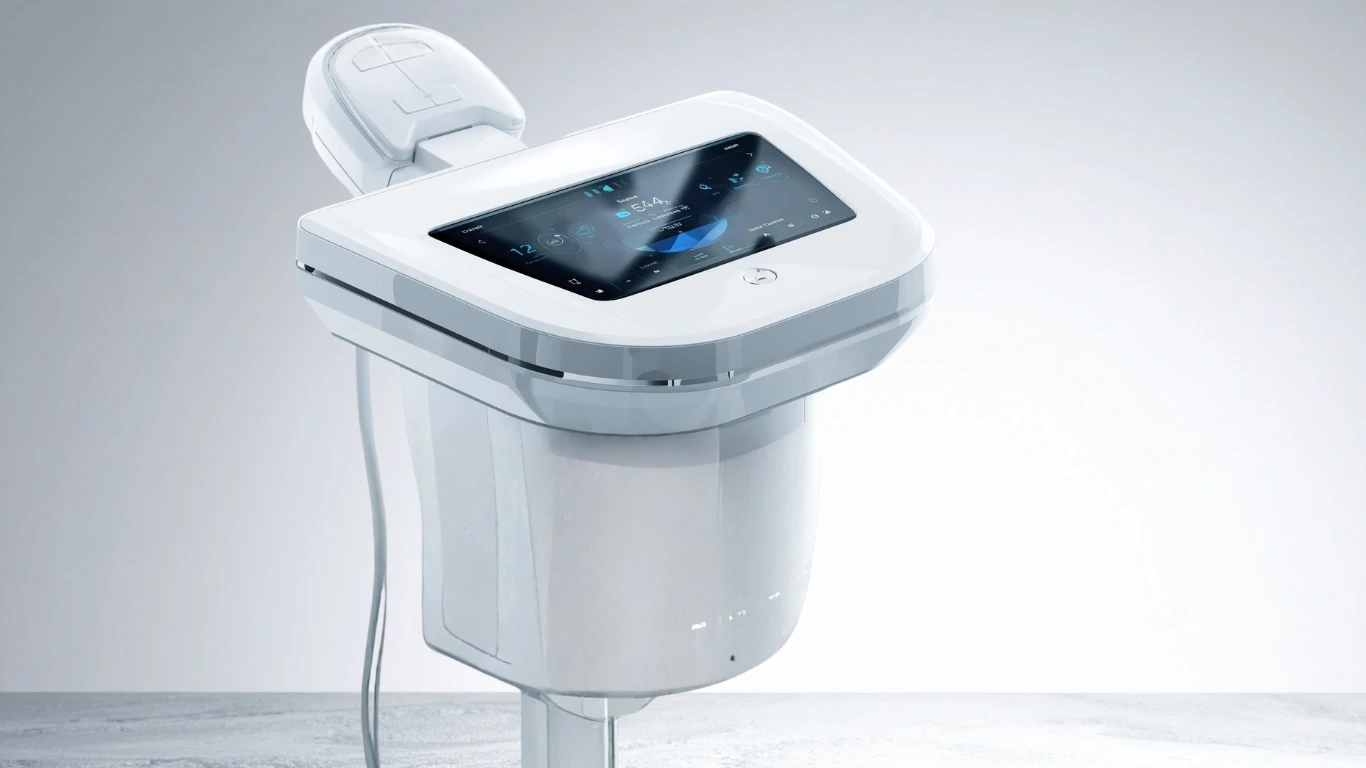
An HMI is a Human Machine Interface, meaning the interface between people and devices. In medical technology, an HMI enables safe, intuitive, and precise operation of medical devices, laboratory equipment, and technical systems.
What requirements apply to HMIs in medical technology?
In medical technology, HMIs must meet particularly high standards in hygiene, precision, durability, and user-friendliness. At the same time, they must remain reliable and visually high-quality even under frequent cleaning.
What requirements apply to HMIs in medical technology?
In medical technology, HMIs must meet particularly high standards in hygiene, precision, durability, and user-friendliness. At the same time, they must remain reliable and visually high-quality even under frequent cleaning.
Why are hygiene and resistance to cleaning agents so important for medical HMIs?
Hygiene and resistance to cleaning agents are essential in medical technology because operating surfaces must be cleaned and disinfected regularly. Homogeneous surfaces, clean functions, and durable materials help maintain both functionality and appearance over time.
What are the benefits of homogeneous surfaces in HMI systems?
Homogeneous surfaces make cleaning easier and support high hygiene standards. They help ensure that operating surfaces remain functional and visually appealing even with intensive use and frequent cleaning cycles.
Are HMI solutions also suitable for cleanroom applications?
Yes, HMI solutions are also used for complex machine and system controls in cleanroom environments. In these settings, precise operation, strict hygiene requirements, and robust surfaces are especially important.
Can HMI systems for medical applications be developed individually?
Yes, HMI solutions for medical applications can be developed individually and adapted to project-specific requirements. Functionality, design, and operating concepts can all be tailored to the respective device and application environment.
Why is user-friendliness so important for medical user interfaces?
User-friendly interfaces help ensure that complex processes can be carried out clearly, safely, and with fewer errors. Especially in medical technology, clear user guidance is essential to support efficiency, safety, and ease of use.